Plumbing
wasiimlatiif142@gmail.com
12:03 pm - January 22, 2026
Tankless Water Heater Installation San Diego: A Complete Guide
If you’re looking for tankless water heater installation in San Diego, you’ve come to the right place. Installing a tankless water heater can improve your home’s energy efficiency, save space, and provide endless hot water. However, knowing the correct process and precautions is essential before attempting installation. Whether you plan to tackle it yourself or hire a professional, this guide will walk you through every step.
What is a Tankless Water Heater?
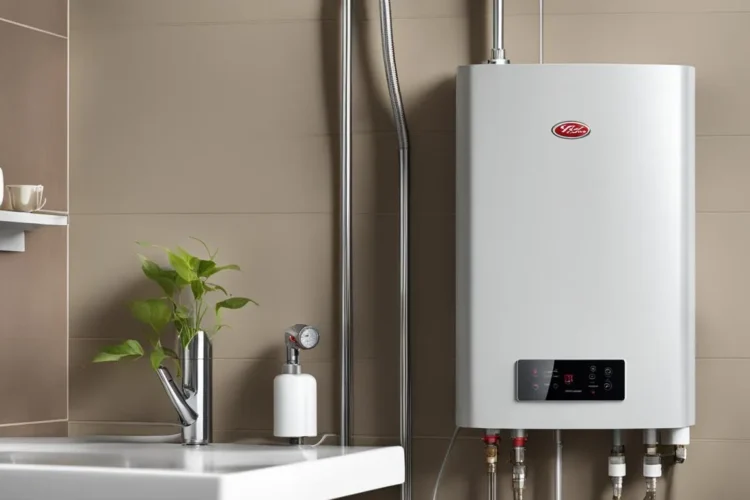
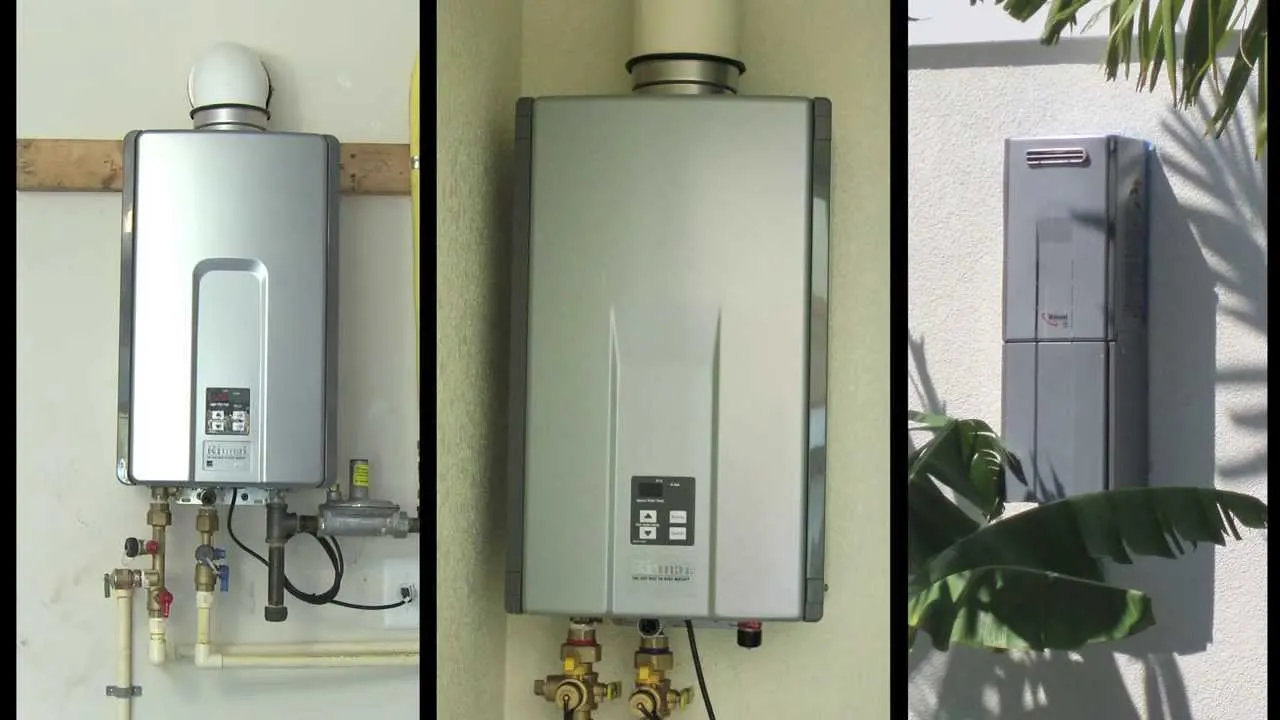
A tankless water heater is a modern appliance designed to heat water on demand, unlike traditional water heaters that store hot water in a tank. These units are compact, energy-efficient, and can supply hot water continuously as long as there is a fuel source, such as natural gas, propane, or electricity.
Benefits of a Tankless Water Heater
Energy Efficiency: Only heats water when needed, reducing electricity or gas consumption.
Space Saving: Compact design fits in small areas such as closets or utility rooms.
Endless Hot Water: Provides continuous hot water for showers, appliances, and sinks.
Longer Lifespan: Tankless units generally last 20+ years with proper maintenance.
Can I Install a Tankless Water Heater Myself?
Many homeowners ask, “Can I install a tankless water heater myself?”
It depends on your experience with plumbing, electrical, or gas systems.
Basic installations may be DIY-friendly, but most units require venting, gas line adjustments, and electrical work, making professional installation recommended in San Diego.
Considerations Before DIY Installation:
Local building codes and permits
Gas line size and pressure requirements
Electrical wiring capacity
Proper venting options
Where Can You Install a Tankless Water Heater?
Tankless water heaters are versatile, but placement must meet safety and efficiency requirements.
Common Locations:
Utility rooms
Garages
Basements
Exterior walls (for gas units with venting)
Installation Tips:
Ensure adequate ventilation for gas units
Avoid freezing temperatures if installed outdoors
Keep a safe distance from flammable materials
Step-by-Step Tankless Water Heater Installation in San Diego
Follow these steps for proper tankless water heater installation:
Step 1: Gather Tools and Materials
Pipe wrenches and adjustable wrenches
Pipe cutter
Screwdrivers and drill
Teflon tape and pipe sealant
Mounting brackets
Tankless water heater unit
Gas or electrical connections
Step 2: Turn Off Water, Gas, and Electricity
Safety first: turn off main water supply, gas, and electricity.
Drain any remaining water from the old heater.
Step 3: Remove Old Water Heater
Disconnect water, gas, and electrical lines
Properly dispose of the old unit according to San Diego regulations
Step 4: Choose Installation Location
Near plumbing connections
Adequate ventilation
Accessibility for maintenance
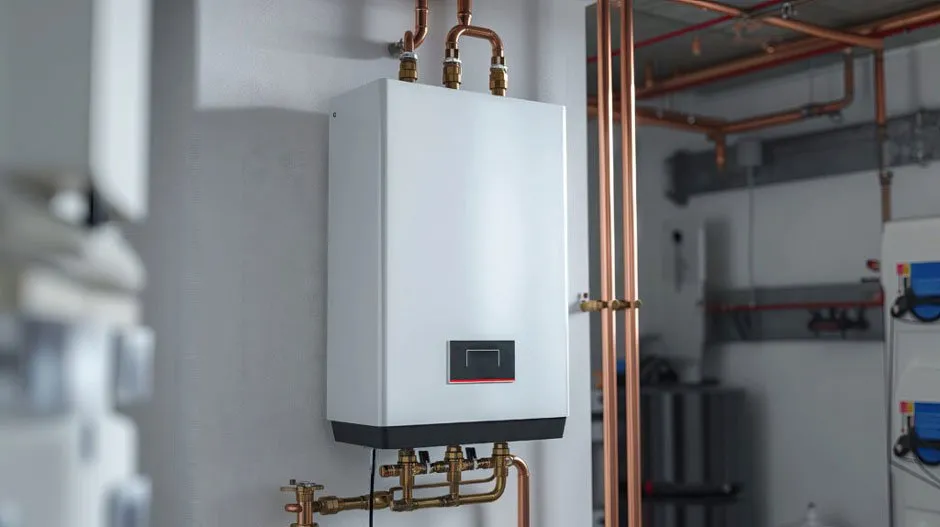
Step 5: Mount the Unit
Secure the unit to the wall using manufacturer-provided brackets
Ensure it is level and supported
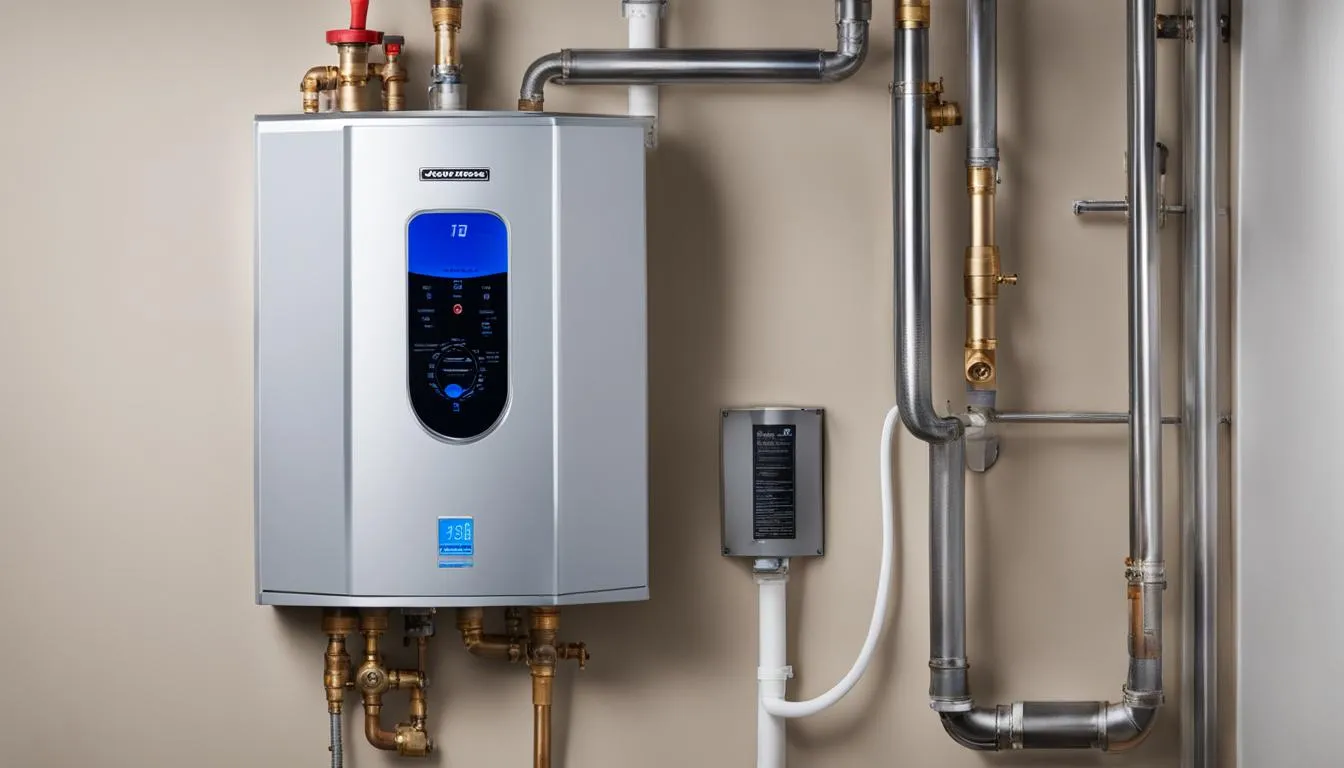
Step 6: Connect Water Lines
Connect cold water supply to the inlet
Connect hot water outlet to your home’s system
Use Teflon tape and sealant to prevent leaks
Step 7: Install Gas or Electrical Connections
Gas Tankless Water Heater:
Check BTU rating and gas line capacity
Install shut-off valves
Test for leaks using soapy water
Electric Tankless Water Heater:
Verify electrical panel can handle the load
Use dedicated circuits and correct wire gauge
Follow manufacturer wiring diagrams
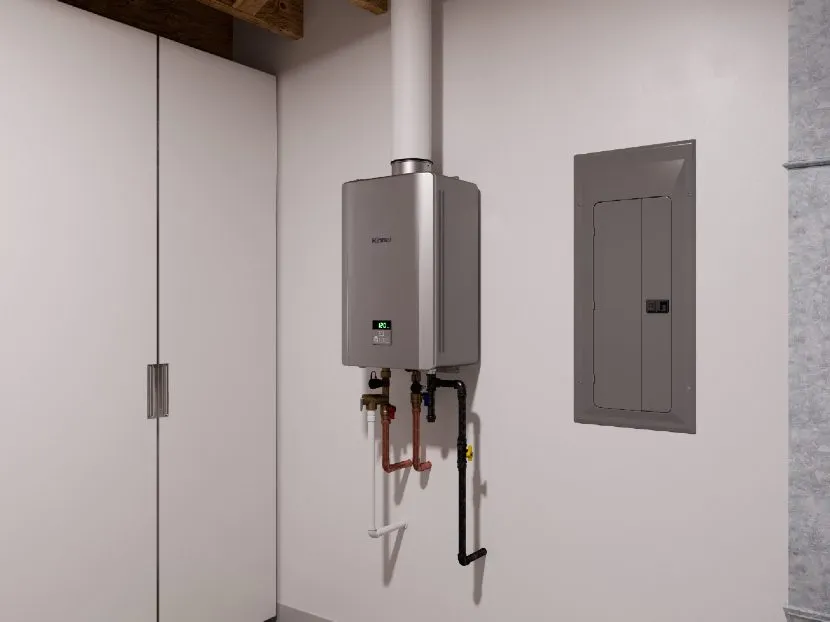
Step 8: Install Venting (Gas Units Only)
Proper venting prevents carbon monoxide hazards
Use stainless steel vent pipes as recommended
Step 9: Turn On Water and Power
Slowly open the water supply and purge air from pipes
Turn on electricity or gas
Follow manufacturer instructions to start the unit
Step 10: Test the System
Check for leaks, proper water temperature, and pressure
Adjust settings as needed for optimal performance
How to Install a Gas Tankless Water Heater
Check BTU rating and gas line capacity
Install venting and flue pipes correctly
Perform leak tests after installation
Consider professional inspection
Tips:
Do not modify venting on your own
Ensure proper clearance from walls and ceilings
How to Install a Tankless Water Heater Electric
Ensure electrical panel supports the unit
Use dedicated circuits and correct wiring
Follow manufacturer wiring diagrams
Safety Tip: Always turn off the breaker before starting installation
Is It Hard to Install a Tankless Water Heater?
Difficulty depends on:
Type of unit (gas or electric)
Plumbing and electrical experience
Venting and space requirements
DIY-Friendly Aspects:
Electric models are generally easier
Units replacing existing plumbing are simpler
Professional Help Recommended For:
Gas units with venting
New installations requiring permits
Complex retrofits
Can a Tankless Water Heater Be Installed Inside?
Yes, but only if:
Proper ventilation is provided (for gas units)
There’s enough space for maintenance
Local building codes allow indoor installation
Indoor installation is common for electric units since they don’t require venting.
Maintenance Tips for Tankless Water Heaters
Flush the system annually to remove scale
Clean filters and sediment regularly
Inspect venting and connections
Schedule professional inspections every 2–3 years
Benefits:
Prolongs unit lifespan
Reduces repair costs
Ensures consistent hot water
Frequently Asked Questions (FAQ)
Q: How long does installation take?
A: Professional installation usually takes 3–6 hours.
Q: How much does a tankless water heater cost in San Diego?
A: Electric units: $500–$1,500; Gas units: $1,000–$3,000 (plus installation).
Q: Can I upgrade an existing water heater to tankless?
A: Yes, but plumbing, gas, or electrical upgrades may be required.
Q: Are there rebates or incentives?
A: Check local San Diego programs for energy efficiency rebates.
Conclusion
A tankless water heater installation in San Diego can save energy, provide endless hot water, and improve home comfort. While some homeowners may attempt DIY installation, professional installation ensures safety, efficiency, and code compliance. By following this step-by-step guide, you can confidently decide whether to install the unit yourself or hire an expert.

Leave A Comment Cancel reply
Popular Post
Subcribe
Lorem ipsum dolor amet, consectetur adipiscing elit, sed tempor.

0 Comments