How to Use Wire Nuts Properly: A Complete Step-by-Step Guide
Learning how to use wire nuts correctly is essential for anyone working with electrical wiring—whether you’re a DIY homeowner, technician, or apprentice electrician. Wire nuts may look small and simple, but improper installation can lead to loose connections, short circuits, overheating, or even fire hazards.
In this in-depth guide, you’ll learn how to use wire nuts properly, how they work, the correct sizes to choose, common mistakes to avoid, and safety best practices used by professionals.
What Is a Wire Nut and What Are Wire Nuts Used For?
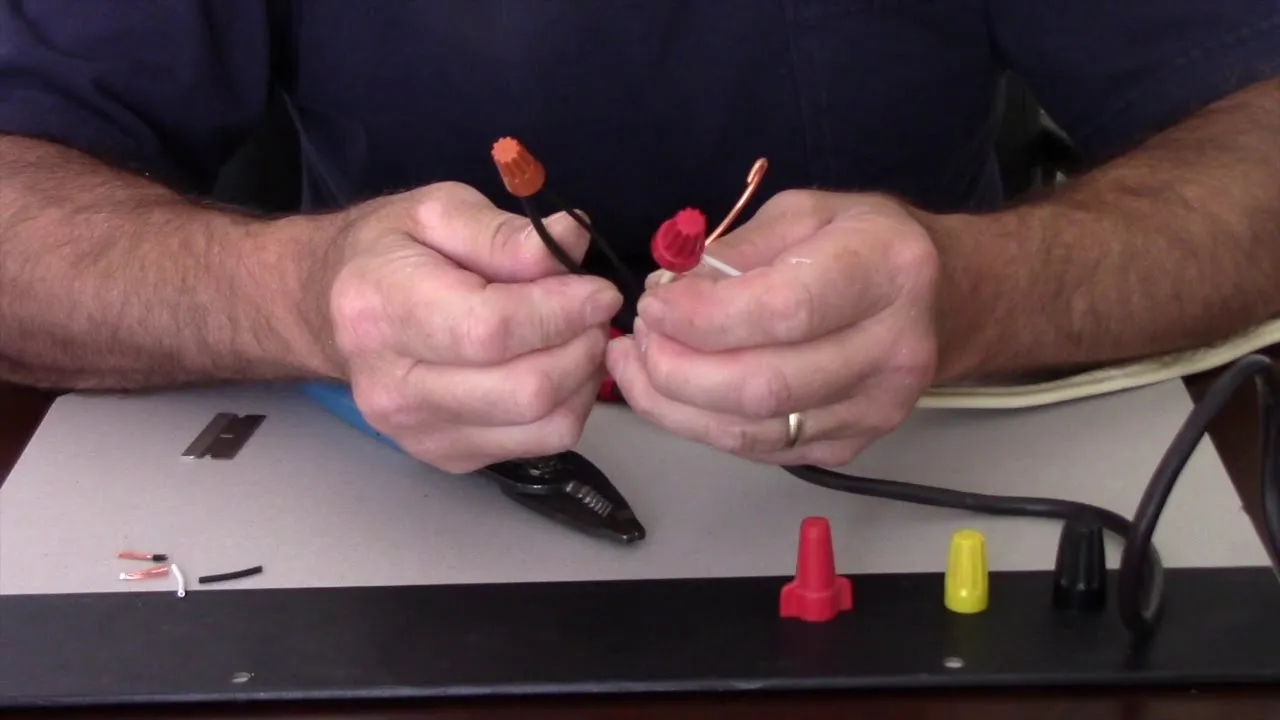
A wire nut is a small plastic connector designed to join two or more electrical wires together securely. Inside each wire nut is a metal spring that grips the wires as the nut is twisted, creating a tight and reliable electrical connection.
Wire nuts are commonly used in:
Residential electrical wiring
Commercial electrical boxes
Light fixtures and switches
Low voltage electrical systems
Junction boxes
Understanding what a wire nut is helps you appreciate why correct installation is so important for electrical safety and performance.
How Do Wire Nuts Work?
To truly understand how to use wire nuts, you must first understand how wire nuts work.
Inside the plastic shell is a tapered metal coil. When you twist the wire nut onto stripped wires:
The metal spring bites into the copper conductors
Wires are pulled together tightly
Electrical current flows safely through the joined wires
A properly installed wire nut should:
Feel firm and secure
Not expose any bare copper
Stay in place even when gently tugged
How to Use Wire Nuts Properly (Step-by-Step Guide)
This is the most critical section if you want to master how to use wire nuts properly.
Tools You’ll Need
Before starting, gather:
Wire strippers
Properly sized wire nuts
Voltage tester
Safety gloves (optional but recommended)
Step-by-Step: How to Use a Wire Nut Properly
Turn Off Power
Always shut off power at the breaker
Verify with a voltage tester before touching wires
Strip the Wires
Strip about ½ to ¾ inch of insulation
Ensure copper is clean and undamaged
Align the Wires
Hold wires evenly so the copper ends line up
This ensures a balanced connection
Twist Wire Nut Onto Wires
Push the wire nut over the exposed wires
Twist clockwise until tight
Wires should twist together inside the nut
Check the Connection
Gently pull each wire
If any wire slips out, remove and redo the connection
Following these steps ensures you’re using wire nuts properly and safely.
How to Install Wire Nuts Safely
Knowing how to install wire nuts goes beyond twisting them on. Safety is just as important as technique.
Key safety tips include:
Never work on live wires
Use only UL-listed wire nuts
Match wire nut size to wire gauge
Avoid mixing different wire types unless approved
A safe installation reduces resistance, heat buildup, and long-term electrical failure.
Twist Wire Nuts: Why Proper Twisting Matters
Many beginners ask whether they should pre-twist wires before applying a wire nut. While modern wire nuts are designed to twist wires internally, twisting still plays a major role.
Proper twisting:
Improves electrical contact
Prevents loose connections
Reduces arcing and heat
Professional electricians often lightly pre-twist wires for added security, especially when joining multiple conductors.
Low Voltage Wire Nuts: What You Need to Know
Low voltage wire nuts are designed for systems operating under 50 volts, such as:
Doorbells
Landscape lighting
Security systems
Thermostats
Key differences:
Smaller size
Designed for thinner wires
Lower current handling
Using standard wire nuts on low voltage systems may result in loose or unreliable connections, so always choose the correct type.
Types of Wire Nuts and Sizes Explained
Choosing the right type and size is essential when learning how to use wire nuts correctly.
Common Types of Wire Nuts
Standard twist-on wire nuts
Winged wire nuts (for better grip)
Waterproof wire nuts
Push-in wire connectors
Sizes of Wire Nuts
Wire nut sizes vary depending on:
Number of wires
Wire gauge (AWG)
Solid vs stranded wire
Always check the manufacturer’s chart before installation.
What Size Wire Nuts for 10/2 Wire?
When working with 10/2 wire:
Use wire nuts rated for 10-gauge conductors
Avoid undersized connectors
Ensure the nut fully covers exposed copper
Incorrect sizing can lead to overheating and code violations.
How Many Wires in a Wire Nut Can You Use?
The number of wires in a wire nut depends on:
Wire gauge
Connector rating
Manufacturer specifications
General guidelines:
Smaller wire nuts: 2–3 wires
Larger wire nuts: up to 5 wires
Never exceed rated capacity
Overfilling a wire nut weakens the connection and creates safety risks.
Can You Reuse Wire Nuts?
Many people ask, can you reuse wire nuts? The answer is: sometimes.
Wire nuts can be reused if:
The metal spring is intact
The plastic shell isn’t cracked
The grip is still tight
Do not reuse wire nuts if:
They feel loose
Threads are worn
They were exposed to heat damage
When in doubt, replacing a wire nut is always safer and inexpensive.
How to Remove Wire Nuts Without Damaging Wires
Knowing how to remove wire nuts properly prevents wire damage.
Steps:
Turn off power
Twist counterclockwise
Gently straighten wires
Inspect copper ends before reinstallation
If wires are nicked or bent, cut and re-strip them before installing a new wire nut.
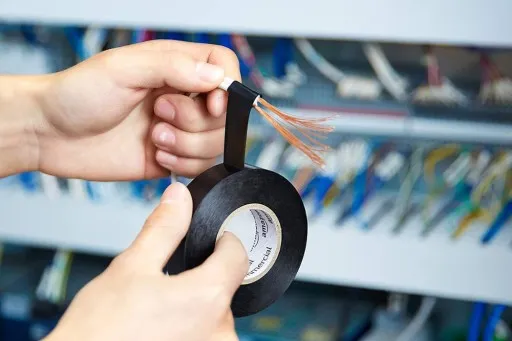
Should You Tape Wire Nuts or Use Electrical Tape Instead?
A common misconception is using electrical tape instead of wire nuts.
Important points:
Electrical tape is not a replacement for wire nuts
Wire nuts provide mechanical and electrical connection
Tape alone does not meet electrical code
Taping wire nuts is optional and sometimes used for:
Extra vibration resistance
Labeling
Added insulation (not required)
Electrical Wiring Nuts vs Electrical Box Wire Clamp
These two components serve different purposes.
Electrical wiring nuts:
Join wires together
Carry electrical current
Electrical box wire clamps:
Secure cables entering boxes
Prevent strain on wire connections
Using both correctly ensures a safe and code-compliant electrical installation.
Common Wire Nut Mistakes to Avoid
Even experienced DIYers make mistakes when learning how to use wire nuts.
Avoid:
Using the wrong size wire nut
Leaving exposed copper
Mixing wire gauges incorrectly
Not tightening enough
Reusing damaged wire nuts
Small mistakes can lead to big electrical problems.
Final Tips for Using Wire Nuts Correctly
To ensure long-term safety and reliability:
Always follow manufacturer instructions
Inspect connections before closing the electrical box
Keep connections inside approved junction boxes
Call a licensed electrician if unsure
Mastering how to use wire nuts properly ensures safe electrical connections, prevents hazards, and keeps your wiring compliant with electrical codes.

0 Comments