Home Renovation Electrical Wiring: A Practical Guide to Modern Electric System Installation
Home renovation electrical wiring plays a decisive role in how safe, functional, and future-ready your home becomes after remodeling. Old or poorly planned wiring can restrict appliance usage, increase energy risks, and cause repeated breakdowns. A well-executed electric system installation, on the other hand, delivers long-term reliability, better power distribution, and peace of mind.
This article walks you through every stage of home renovation electrical wiring, explaining planning, execution, safety, and best practices in a way that’s easy to understand and built to rank in search results.
Understanding Electric System Installation in Home Renovation
Electric system installation refers to the complete setup of electrical infrastructure within a property. In renovation projects, this usually involves replacing outdated wiring, expanding circuits, and redesigning layouts to support modern electrical loads.
During home renovation electrical wiring, the system must adapt to existing walls, ceilings, and structural limitations while still meeting current safety standards.
A complete electric system installation typically includes:
Electrical layout planning
Wiring design for house renovation
Cable routing and protection
Power distribution setup
Final system testing
Unlike new builds, renovation wiring demands precision because mistakes are harder to correct later.
What Is the First Stage of Installing Electrical Wiring Called?
The first stage of installing electrical wiring is known as electrical planning and layout design. This phase determines how efficient and safe the entire system will be.
Before any physical work begins, professionals focus on:
Evaluating the existing electrical condition
Estimating power demand room by room
Planning circuit distribution
Designing safe wire pathways
This early stage prevents overloads, voltage drops, and future rewiring during home renovation electrical wiring projects.
Wiring Design for House Renovation: Laying the Foundation
Wiring design for house renovation is a strategic process rather than a technical formality. It ensures power reaches the right places without strain on the system.
A proper wiring design includes:
Logical placement of sockets and switches
Separate circuits for heavy-load appliances
Balanced distribution across rooms
Provision for future electrical upgrades
Strong wiring design not only improves usability but also extends the life of your electric system installation.
Stages of Electrical Installation in Renovation Projects
Breaking the process into clear stages of electrical installation helps maintain quality and safety throughout the renovation.
Stage 1 – Electrical Planning and Load Calculation
This stage focuses on analysis and preparation.
Key activities include:
Creating detailed wiring diagrams
Calculating total electrical load
Selecting appropriate wire sizes
Planning grounding and protection systems
Accurate planning reduces failure risks and improves overall performance in home renovation electrical wiring.
Stage 2 – Rough Wiring and Building Electrical Installation
Rough wiring is where physical work begins and is a core part of building electrical installation.
This stage involves:
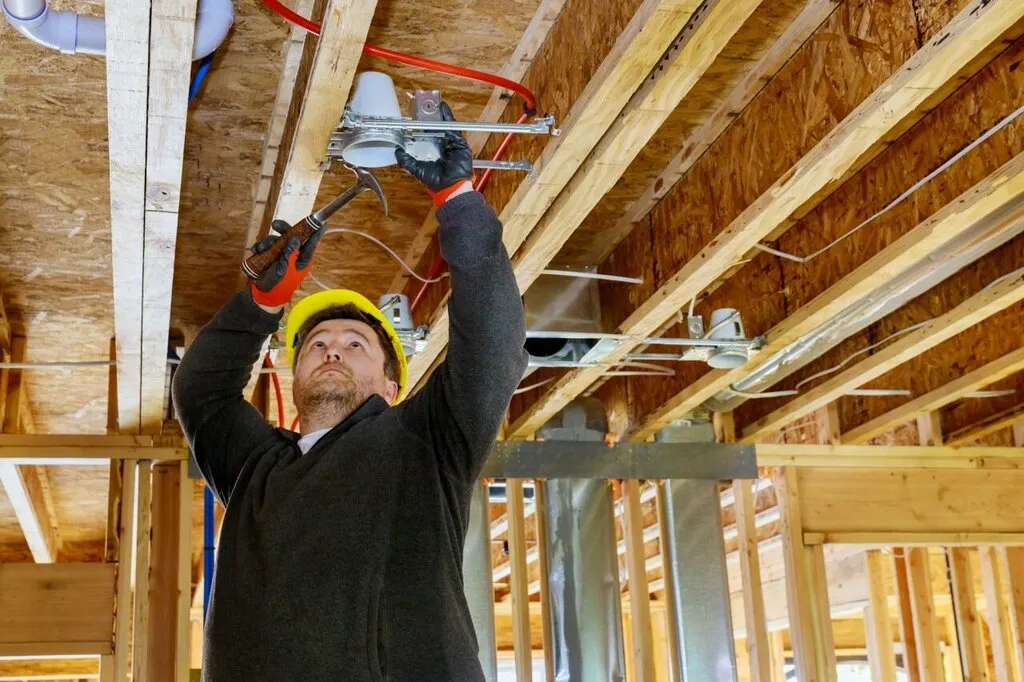
Installing conduits within walls and slabs
Pulling electrical cables through conduits
Fixing outlet and switch boxes
Securing wiring paths for durability
All wiring remains inactive during this phase to ensure safety and flexibility.
Stage 3 – Main Electric System Installation
This phase connects internal wiring to the central power system.
Work performed includes:
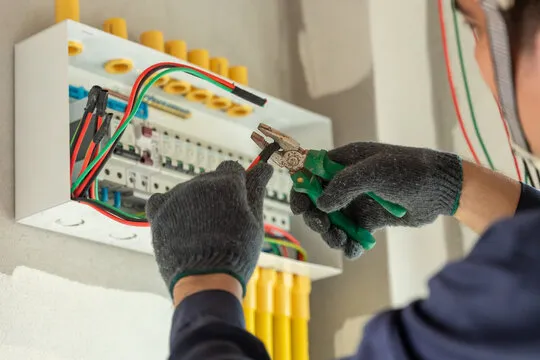
Distribution board installation
Circuit breaker configuration
Grounding and earthing setup
Power supply connection
A correctly installed main system protects the home from short circuits, overloads, and electrical faults.
Stage 4 – Final Connections and System Testing
The final stage completes the home renovation electrical wiring process.
Tasks include:
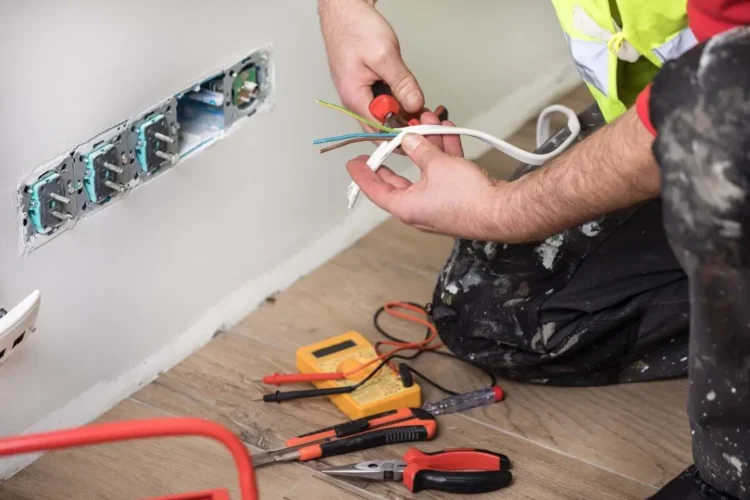
Installing switches, outlets, and lighting fixtures
Connecting appliances and equipment
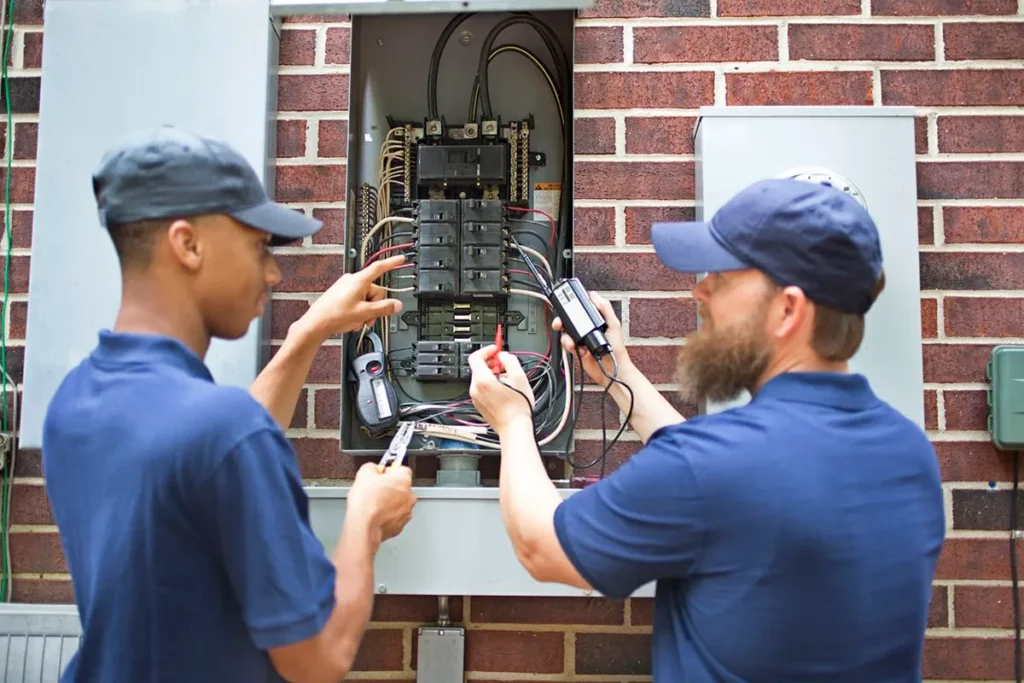
Testing voltage levels and load stability
Conducting safety inspections
Only after passing all tests should the system be placed into regular use.
Phases of Electrical Work During Home Renovation
The phases of electrical work in renovation projects are closely linked to construction activities.
Common phases include:
Removal of obsolete wiring
System upgrades to meet current standards
Circuit expansion for new rooms or appliances
Final adjustments and inspections
Proper coordination between these phases ensures a smooth electric system installation.
How to Wire a House Safely During Renovation
Many homeowners research how to wire house systems during renovation, but safety must always come first.
Safe wiring practices include:
Using correct wire gauges for each circuit
Avoiding shared circuits for high-load appliances
Protecting wires with proper conduits
Ensuring reliable grounding
Professional execution is strongly recommended for complex home renovation electrical wiring projects.
Materials and Tools for Installation of Electric Systems
Quality materials significantly impact system performance.
Common requirements include:
Certified copper wiring
High-grade conduits and junction boxes
Modern circuit breakers
Insulated installation tools
Using inferior materials can compromise the entire installation of electric systems.
Safety Guidelines for Installation of Electric in Homes
Strict safety rules apply to all residential electrical work.
Important guidelines include:
Cutting power before any installation
Clearly marking all circuits
Following electrical codes and regulations
Performing mandatory system testing
These measures protect both property and occupants.
Home Renovation Electrical Wiring: Cost Factors and Timeline
The cost and duration of home renovation electrical wiring depend on multiple factors.
Key cost drivers include:
Property size and layout complexity
Condition of existing wiring
Number of new circuits required
Quality of electrical components
Timelines vary, but careful planning can significantly reduce delays and rework.
Common Errors in Electric System Installation
Mistakes during electric system installation can lead to serious long-term problems.
Frequently seen issues include:
Poor wiring design for house layouts
Overloaded circuits
Inadequate grounding
Ignoring inspection requirements
Avoiding these errors ensures a durable and safe electrical system.
Final Inspection Checklist for Electrical Installation
Before concluding the project, ensure:
All connections are secure
Circuit breakers operate correctly
Grounding resistance is within limits
Wiring meets safety standards
A thorough inspection confirms the success of the entire building electrical installation.
Closing Thoughts
Home renovation electrical wiring is an investment in safety, comfort, and future expansion. By following structured stages of electrical installation, prioritizing smart wiring design for house renovation, and ensuring professional electric system installation, homeowners can achieve reliable power distribution that lasts for years.
When done right, your electrical system becomes invisible—but indispensable—supporting every aspect of modern living.

0 Comments