A dripping faucet, a slow-draining sink, or a toilet that won’t stop running can be more than just minor annoyances. These common household problems can disrupt your daily routine, waste significant amounts of water, and lead to costly repairs if left unaddressed. While some issues can be handled with a little DIY know-how, others require the expertise of a professional. If you find yourself facing a plumbing challenge beyond your comfort level, it’s always best to call a trusted plumber in San Diego to ensure the job is done correctly and safely, preventing further damage to your home.
This comprehensive guide will walk you through some of the most frequent plumbing issues homeowners face. We will explore the causes, provide simple step-by-step instructions for fixes you can try yourself, and explain when it’s time to call in the professionals. From basic repairs to knowing who to call for emergency plumbing services in San Diego, this article will empower you to take control of your home’s plumbing system.
When to Call a Plumber in San Diego
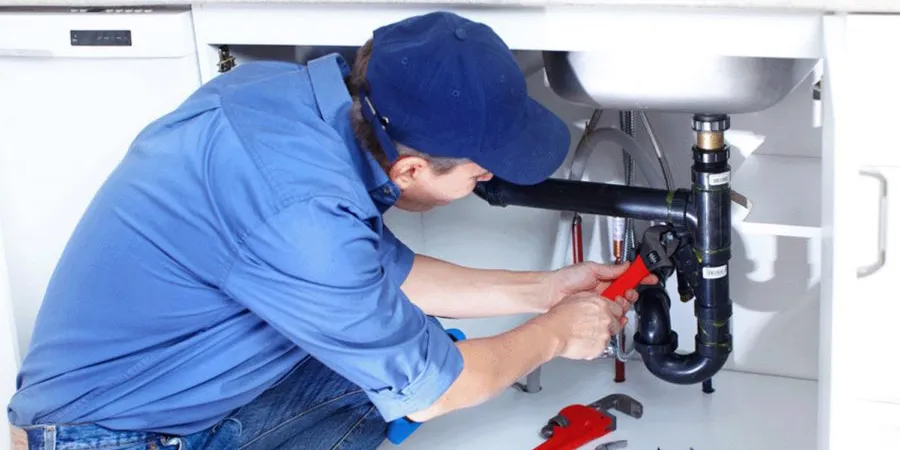
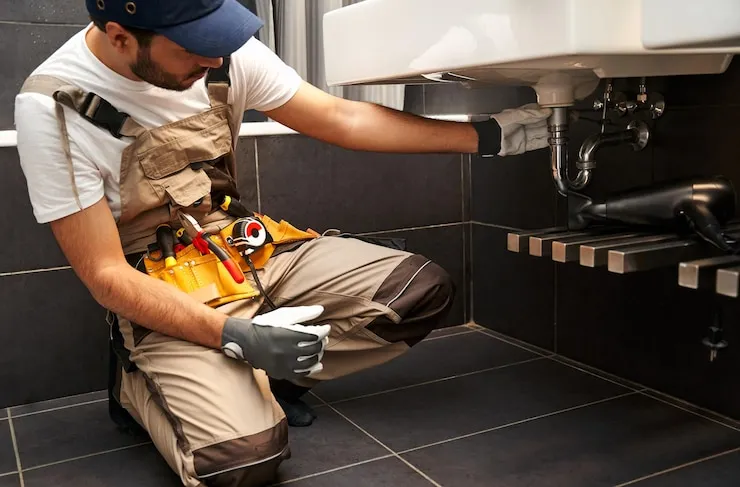
Before we dive into DIY solutions, it’s crucial to understand which situations demand professional intervention. While fixing a leaky faucet might be within your capabilities, tackling a burst pipe or a malfunctioning water heater can be dangerous and lead to extensive property damage if not handled correctly. Searching for “licensed plumbers near me San Diego” is your best course of action when you encounter major leaks, low water pressure throughout your house, sewer line backups, or any gas line issues. A certified professional has the tools, training, and experience to diagnose complex problems and perform repairs that comply with local building codes, giving you peace of mind.
Dripping Faucets: The Annoying Drip That Costs You Money
A constantly dripping faucet is one of the most common plumbing problems. That persistent “drip, drip, drip” is not just irritating; it’s also a significant source of water waste. A single faucet dripping once per second can waste over 3,000 gallons of water in a year. The cause is usually a worn-out internal component.
Why Faucets Drip
The most frequent culprit behind a dripping faucet is a deteriorated washer or O-ring. Inside your faucet, a rubber or silicone washer presses against a valve seat to stop the flow of water. Over time, the constant friction and pressure wear it down, allowing small amounts of water to seep through. In cartridge-style faucets, a worn-out O-ring on the cartridge itself can cause a similar leak.
How to Fix a Dripping Faucet
For this fix, you will need a flat-head screwdriver, a Phillips head screwdriver, an adjustable wrench, and replacement washers or O-rings.
Turn Off the Water Supply: Before starting any work, locate the shut-off valves under the sink (one for hot, one for cold) and turn them clockwise until they are tightly closed. If you can’t find them, you’ll need to shut off the main water supply to your house.
Cover the Drain: Place a cloth or drain stopper over the sink drain to prevent small screws or parts from falling in.
Remove the Handle: Depending on your faucet, you may need to pry off a decorative cap with a flat-head screwdriver to access the handle screw. Unscrew it and lift the handle off.
Remove the Packing Nut: Use your wrench to loosen and remove the packing nut. You may see the stem underneath. Remove this as well.
Inspect and Replace: Now you can access the O-ring and washer. Carefully remove the old ones and take them to a hardware store to ensure you buy the correct size replacements.
Reassemble: Install the new washer and O-ring, then reassemble the faucet in the reverse order you took it apart.
Test Your Work: Slowly turn the water supply back on and check for drips.
If the drip persists, the valve seat may be corroded, which is a more complex repair. At this point, it may be time to seek affordable plumbing repairs in San Diego from a professional.
Low Water Pressure: The Frustratingly Weak Flow
Low water pressure can turn a refreshing shower into a disappointing trickle. This issue can affect a single fixture or your entire home. If it’s just one faucet, the problem is likely localized. If it’s happening everywhere, you may have a more significant issue with your main supply lines.
Common Causes of Low Water Pressure
Clogged Aerator: The most common cause of low pressure in a single faucet is a clogged aerator. The aerator is the small screen at the tip of the faucet that can become blocked with mineral deposits and sediment over time.
Partially Closed Shut-off Valve: Check that both the main water valve and the individual fixture’s shut-off valve are fully open.
Pipe Leaks: A leak somewhere in your plumbing system can reduce overall pressure. Look for damp spots on walls, ceilings, or floors.
Pipe Corrosion or Buildup: In older homes, galvanized iron pipes can corrode from the inside, restricting water flow. Mineral buildup can also cause blockages.
How to Improve Water Pressure
Clean the Aerator: For a single fixture, unscrew the aerator from the faucet tip. You might be able to do this by hand, but pliers wrapped in a cloth (to prevent scratching) may be needed. Disassemble the aerator, rinse the parts, and use an old toothbrush to scrub away any mineral deposits. For stubborn buildup, soak the parts in vinegar overnight.
Check Your Shut-off Valves: Ensure your main water valve (often located near your water meter or where the main water line enters your house) and the fixture’s valves are fully in the “on” position.
Test Your Water Heater: If you only have low pressure with hot water, there might be a problem with your water heater’s shut-off valve or sediment buildup within the tank.
If these simple fixes don’t work, you likely have a more serious problem like a hidden leak or obstructed pipes. This requires professional diagnostic tools. A call to the best plumbing company in San Diego will help you identify the root cause without tearing into your walls unnecessarily.
Running Toilets: The Silent Water Waster
A running toilet can be surprisingly wasteful, sometimes leaking hundreds of gallons of water per day. Often, the sound is so faint that the problem goes unnoticed for a long time. The issue almost always lies with the components inside the toilet tank.
Why Your Toilet Keeps Running
Faulty Flapper: The most common reason for a running toilet is a warped or worn-out flapper. This rubber seal is designed to lift when you flush and then settle back onto the flush valve opening to stop water from flowing into the bowl. Over time, it can degrade and fail to create a tight seal.
Incorrect Float Height: The float ball or cup in the tank tells the fill valve when to stop refilling. If it’s set too high, water will continuously flow into the overflow tube.
Leaky Fill Valve: The fill valve (or ballcock) is the mechanism that refills the tank after a flush. If it’s broken or clogged, it may not shut off properly.
Chain is Too Long or Too Short: The chain connecting the flush handle to the flapper needs to have just the right amount of slack. If it’s too short, the flapper can’t seal. If it’s too long, it can get caught under the flapper.
How to Fix a Running Toilet
The Food Coloring Test: To check for a flapper leak, add a few drops of food coloring to the tank water. Wait about 15-20 minutes without flushing. If you see colored water appear in the toilet bowl, your flapper is leaking and needs to be replaced.
Replace the Flapper: Turn off the water supply to the toilet and flush to drain the tank. Unhook the old flapper from the overflow tube and the chain. Install the new flapper and connect its chain to the flush lever. Make sure the chain has only a slight bit of slack.
Adjust the Float: If the water level in the tank is too high and spilling into the overflow tube, you need to lower the float. For older ball floats, you can gently bend the brass rod downwards. For modern cup-style floats, you’ll typically find an adjustment screw or clip.
Inspect the Fill Valve: If you’ve replaced the flapper and adjusted the float but the toilet still runs, the fill valve may be the problem. These are inexpensive and can be replaced, but it’s a more involved job.
If you’re not comfortable with these repairs, a plumber can quickly and affordably resolve the issue.
Clogged Drains: The Slow and Smelly Problem
A slow or completely clogged drain is a nuisance that everyone experiences eventually. From the kitchen sink to the shower, clogs are usually caused by an accumulation of debris over time. While chemical drain cleaners might seem like an easy fix, they can be harsh on your pipes and are often ineffective against serious blockages.
What Causes Drains to Clog?
Kitchen Sinks: Grease, oil, fat, and food particles are the main offenders. These substances solidify in your pipes, creating a sticky trap for other debris.
Bathroom Sinks and Showers: Hair is the number one cause, combined with soap scum and other grooming products.
Toilets: Clogs are typically caused by flushing too much toilet paper or non-flushable items like paper towels, feminine hygiene products, and “flushable” wipes (which often aren’t).
How to Clear a Clogged Drain
Boiling Water (for Kitchen Sinks): If you suspect a grease clog, carefully pour a pot of boiling water directly down the drain. This can melt and flush away some of the buildup.
Plunger Power: For sinks and toilets, a plunger is your first line of defense. For sinks, make sure to cover the overflow opening to create a better seal. Use firm, steady plunges to dislodge the blockage.
The Baking Soda and Vinegar Method: This natural alternative to chemical cleaners can be effective for minor clogs. Pour about a cup of baking soda down the drain, followed by a cup of white vinegar. The fizzing reaction can help break up grime. Let it sit for an hour, then flush with hot water.
Using a Drain Snake: A drain snake, or auger, is a flexible tool that you feed into the drain to physically break up or pull out a clog. This is particularly effective for hair clogs in showers.
When these methods fail, it’s time to call in the San Diego drain cleaning experts. Professionals use powerful tools like motorized augers and hydro-jetting equipment to clear even the most stubborn blockages without damaging your pipes.
Water Heater Repair San Diego
Your water heater works tirelessly behind the scenes to provide hot water for showers, laundry, and dishes. When it fails, your entire household routine comes to a halt. Problems can range from a complete lack of hot water to strange noises coming from the tank.
Common Water Heater Issues
No Hot Water: This could be due to a tripped circuit breaker (for electric heaters) or an extinguished pilot light (for gas heaters). It could also signal a faulty thermostat or a broken heating element.
Not Enough Hot Water: This is often caused by sediment buildup in the tank, which reduces its capacity and efficiency. A thermostat set too low or a faulty heating element can also be the cause.
Leaking Tank: A puddle of water around your water heater is a serious problem. While the leak could be coming from a pressure relief valve or a pipe fitting, it often indicates that the tank itself has corroded and is failing. A leaking tank cannot be repaired and must be replaced immediately.
Strange Noises: Popping or rumbling sounds are usually caused by sediment at the bottom of the tank. As the water heats, it boils underneath the layer of sediment, causing the noises.
Maintenance and When to Call for Water Heater Repair
Regular maintenance can significantly extend the life of your water heater. Flushing the tank annually to remove sediment is the single most important task you can perform. You can do this yourself by following the manufacturer’s instructions.
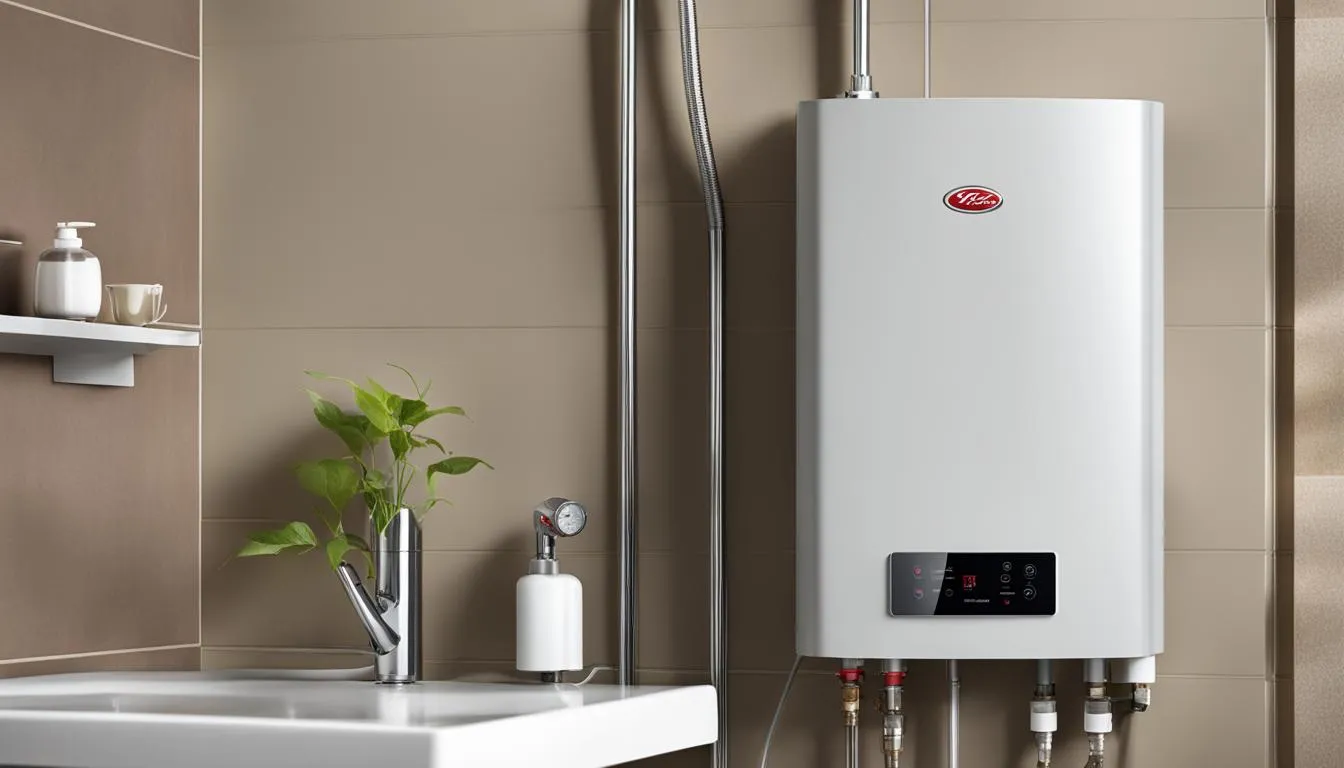
However, most water heater repairs should be left to a professional. Working with gas lines or high-voltage electricity is extremely dangerous. If you have no hot water, a leak, or hear loud noises, your safest bet is to call for water heater repair San Diego. A licensed plumber can diagnose the issue, replace faulty parts like heating elements and thermostats, or advise you if it’s time for a new unit. They can also ensure your unit is installed correctly and vented properly, which is critical for safety.
Facing a Burst Pipe or Major Leak
A burst pipe is a true plumbing emergency that can cause catastrophic water damage in a matter of minutes. This can happen due to freezing temperatures, corrosion, or excessive water pressure.
What to Do Immediately
Shut Off the Main Water Supply: This is the most critical step. Everyone in your household should know where the main water shut-off valve is located and how to turn it off.
Turn Off Electricity: If water is spraying near electrical outlets or appliances, turn off the power at the circuit breaker to prevent electrocution.
Call for Emergency Plumbing Services San Diego: This is not a DIY job. You need a professional immediately.
Move Valuables: If possible, move furniture, electronics, and other valuables away from the affected area.
Document the Damage: Take photos and videos of the leak and the resulting damage for your insurance claim.
When you need immediate help, having the number for reliable emergency plumbing services San Diego on hand is essential. An emergency plumber can quickly stop the leak, repair or replace the damaged pipe, and help you begin the water extraction process to mitigate further damage.
Finding the Best Plumbing Company in San Diego
With so many options available, choosing the right plumber can feel overwhelming. You want a company that is reliable, skilled, and offers fair pricing. The best plumbing company in San Diego will have a combination of experience, positive customer reviews, and proper credentials.
What to Look For in a Plumber
Licensing and Insurance: Always hire a plumber who is licensed by the state of California and carries both liability insurance and workers’ compensation. This protects you in case of accidents or property damage. You can verify a license with the Contractors State License Board (CSLB).
Experience and Expertise: Look for a company that has been in business for several years and has experience with a wide range of issues, from simple repairs to complex installations.
Transparent Pricing: A reputable plumber will provide a clear, upfront estimate before any work begins. Be wary of companies that won’t give you a price or who only quote an hourly rate without estimating the time required. Ask about their policies on affordable plumbing repairs San Diego.
Good Reviews and Reputation: Check online reviews on sites like Google, Yelp, and Angi. A history of positive customer feedback is a strong indicator of quality service.
Availability: Plumbing problems don’t always happen during business hours. A top-tier company will offer 24/7 emergency services.
By taking the time to understand your home’s plumbing system and learning to identify which problems you can handle yourself, you can save money and prevent small issues from becoming big ones. For everything else, from stubborn clogs to emergency leaks, building a relationship with a trusted, licensed plumber in San Diego is one of the smartest investments you can make in your home.

0 Comments